Idaho Cannabis Update: Medical Marijuana Initiative Gains Traction Toward 2026 Ballot
Idaho Cannabis Update: Medical Marijuana Initiative Gains Traction Toward 2026 Ballot
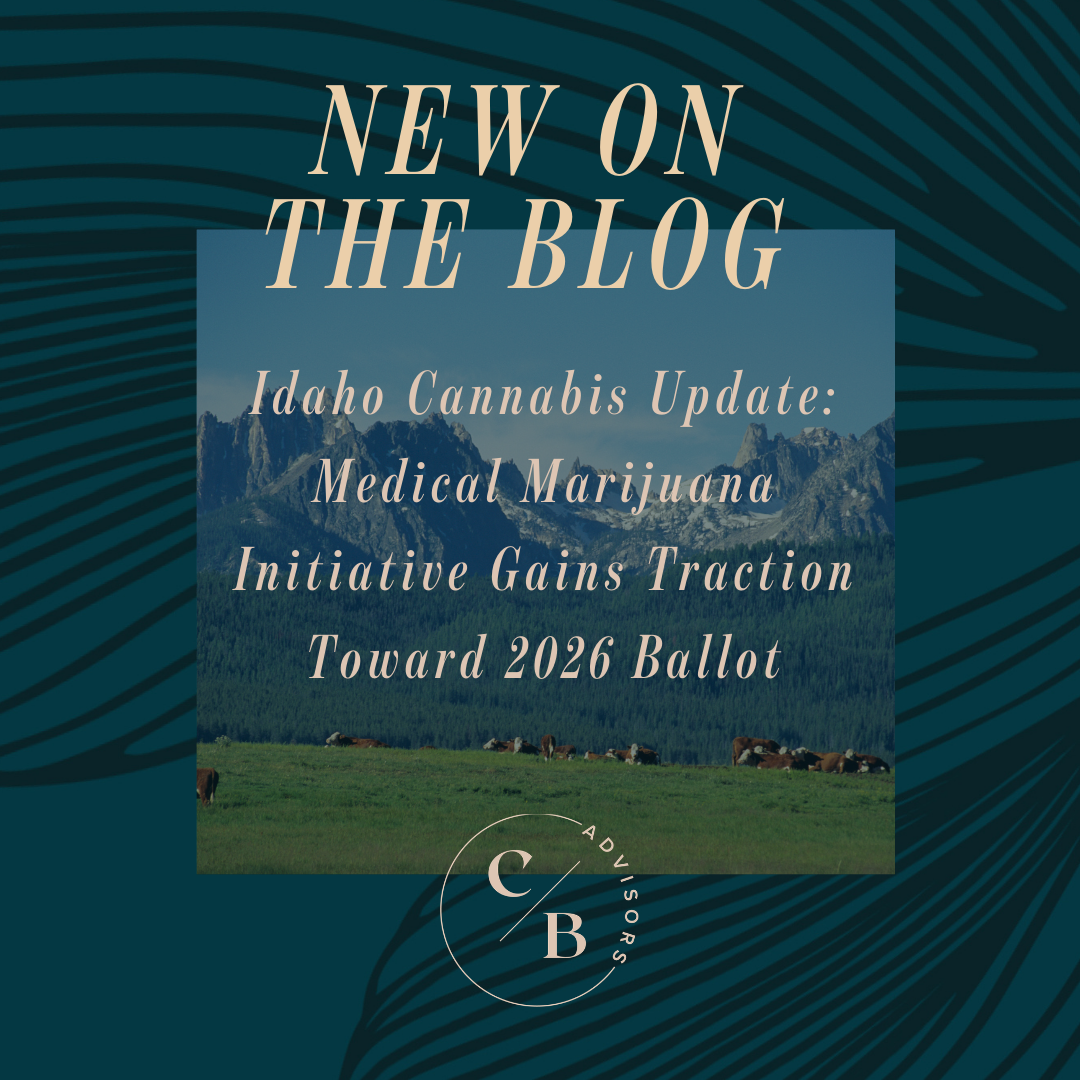
Idaho remains one of the few U.S. states without any legal access to medical or adult-use cannabis. Advocates are making notable progress in 2026 toward changing that status with a citizen-backed ballot initiative aimed at legalizing medical cannabis that has steadily gathered valid signatures, moving closer to qualification for the November 2026 election.
Grassroots Momentum: Signature Drive Advancing
In early 2026, the Natural Medicine Alliance of Idaho (NMAI) reported it had collected more than 45,000 signatures toward qualifying the Idaho Medical Cannabis Act for the statewide ballot this coming November.
To qualify for the ballot under Idaho law, the campaign must submit at least 70,725 valid signatures from registered voters statewide by April 30, 2026. Those signatures must also include signatures from at least six percent of registered voters in a minimum of 18 of the state’s 35 legislative districts.
Recent polling accompanying the signature drive indicates broad public support, with a majority of likely voters across political affiliations favoring medical cannabis legalization if the issue appears on the ballot.
What the Idaho Medical Cannabis Act Would Do If Passed
If approved by voters in November 2026, the Idaho Medical Cannabis Act would create a regulated medical cannabis program that allows qualified patients with diagnosed health conditions to access cannabis products legally.
Key provisions outlined in summaries of the initiative include:
- Medical Cannabis Card: Individuals diagnosed with a “substantial health condition” could apply for a state-issued medical card through the Idaho Board of Pharmacy. Qualifying conditions range from cancer and chronic pain to PTSD and epilepsy.
- Qualified Business Licenses: Initially, no more than three vertically integrated medical cannabis businesses would be licensed, with the potential to expand to up to six total as the market grows. These entities could cultivate, process, distribute, and sell medical cannabis.
- Retail and Fulfillment Options: Licensed producers could distribute medical cannabis through up to six authorized retail locations, online sales with in-person pickup, or in-person delivery.
- Patient Protections and Packaging Standards: Medical cannabis products would require tamper-resistant packaging, standard safety warnings, and pharmacist oversight for dispensing. Smoking and vaping cannabis in public would remain prohibited, and products would carry warnings about intoxication and over-consumption.
- Purchase Limits and Product Types: Patients could purchase defined monthly amounts of smokeable cannabis and THC extracts, including inhalable, ingestible, and edible products within set limits.
The initiative also includes provisions designed to provide non-discrimination protections in employment, housing, education, and medical care for individuals legally using medical cannabis under state law.
Broader Political Context in Idaho
Idaho has long maintained stringent cannabis prohibition at both the medical and adult-use levels. Alongside the medical initiative, a separate constitutional amendment, House Joint Resolution 4 (HJR 4), would give the state Legislature exclusive authority to legalize marijuana and similar substances and would prohibit citizen-initiated cannabis measures if approved by voters.
Both measures could appear on the November 2026 ballot if signature and procedural requirements are met, placing the future of cannabis legalization in Idaho directly in voters’ hands.
What Investors and Operators Should Watch
For investors and operators monitoring Idaho’s cannabis landscape, several key indicators will be worth following in the coming months:
- Signature Qualification: Whether the medical cannabis initiative collects and verifies enough signatures to secure a spot on the November 2026 ballot, including meeting distribution requirements across legislative districts.
- Competition with Other Measures: How HJR 4, the constitutional amendment proposal, may influence or conflict with citizen-initiated reform efforts.
- Ballot Language and Implementation Path: If the medical initiative qualifies, the official ballot language and any subsequent implementation plans or regulatory frameworks established by the Idaho Board of Pharmacy.
- Public Opinion and Polling: Ongoing voter support trends and polling data, which may shape investor sentiment and strategic positioning ahead of the election.
While Idaho’s path to a regulated cannabis market is still emerging, the current signature momentum and clear regulatory framework proposed by the initiative represent a significant shift from historical prohibition. Early awareness and engagement during this stage can help investors and operators plan for potential future participation.
If you’re evaluating opportunities in Idaho’s emerging cannabis landscape or want to discuss how the medical initiative may impact market entry strategy, contact us at 602-290-9424 or email us for additional information.
The Cannabis Business Advisors specialize in strategic partnerships, connecting investors with qualified operators and vetted opportunities nationwide. Our flexible model allows participation at any level, supported by experienced consultants with a track record of guiding successful engagements in evolving cannabis markets.
The Cannabis Business Advisors have more than thirty years of combined industry experience, spanning across the U.S. and around the globe. C.B. Advisors offers a comprehensive suite of services, including application and licensing preparation, operational analysis, merger and acquisition support, policy and procedures, exit strategy guidance, and business development planning. Stay up to date on the latest cannabis news with The CB Advisors!
Contact Info@thecannabisbusinessadvisors.com for more information on how to apply for a cannabis business license.