Ohio Cannabis License: Next Steps
Ohio Cannabis License: Next Steps
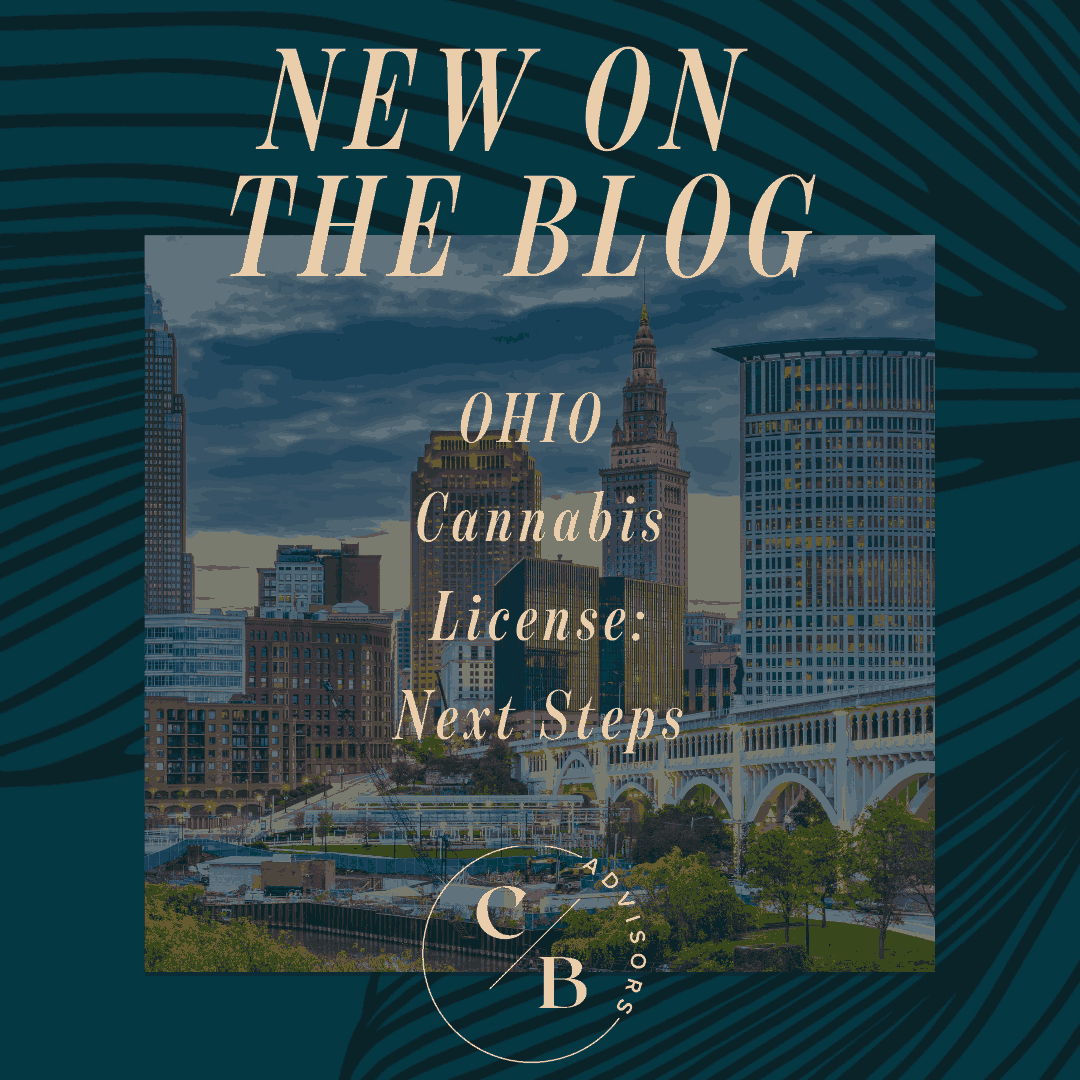
On May 16, 2022, the State of Ohio Board of Pharmacy issued 70 provisional dispensary licenses as the second phase of the RFA II process. Earlier this year, the Ohio Lottery Commission drew from over 1,400 applications across 31 districts to create an ordered list of ranked Ohio preliminary licenses. These were then reviewed by rank to determine eligibility for issuing.
More than half of the adult population in the U.S. has access to some form of legal cannabis, with multi-billion-dollar cannabis sales in markets across the country. Entrepreneurs who have secured a cannabis dispensary license often benefit from a healthy profit margin, with most marijuana retail operations 75% profitable in the first year of opening.
To successfully launch a dispensary, cannabis business owners must ensure their facility has the resources and corporate foundation to operate compliantly in their state market.
“The next step for winners is to launch their dispensary operation on schedule. We are providing our clients with custom grand opening services as well as branding, marketing, SOPs, interior guidance, floor planning, and procurement strategies,” said Sara Gullickson, founder and CEO of CB Advisors.
1. Understand your State Regulations
Since cannabis isn’t federally legal, each state has a different marijuana program framework regulating how licensed cannabis businesses operate. The Ohio Board of Pharmacy allotted 270 days for provisional licensees to become operational, ending in February 2023. New dispensaries will only be able to open if they receive their certificate of operation from the Board of Pharmacy following inspections.
Understanding regulatory rules and cannabis compliance is essential to securing a dispensary license and is crucial to passing inspections and receiving Approval to Operate (ATO). Though new license holders may be familiar with state regulations from the application process, it is important to research local rules at the city level. Municipalities and townships can issue their restrictive cannabis zoning and operational laws. There may also be nuances related to how cannabis is taxed. Where you operate, cannabis products could receive a special recreational sales tax in addition to municipal and state taxes.
2. Establish your Corporate Structure / Legal Paperwork
One of the first tasks as a dispensary license holder is establishing your business as a legal entity in your state of operation. How you incorporate your cannabis retail establishment may depend on whether you will be operating under a medical marijuana or adult-use license.
In some states, medical marijuana dispensaries must incorporate as a non-profit, while recreational licensees can exist as for-profit or non-profit. Though there are tax benefits to running a cannabis dispensary as a non-profit, additional regulations for these business entities, require extensive paperwork and administrative costs.
No matter how you decide to incorporate your cannabis retail operation, it is essential to register with both your state and federal tax authorities. Here are some corporate business structures to consider for your marijuana dispensary.
- Sole proprietorship (Individual)
- Corporation
- Non-profit Corporation
- Partnership
- Limited Liability Company (LLC)
- Association or Cooperative
- Joint Venture
3. Create a Financial Pro-Forma & Raise Capital
Starting a retail dispensary operation requires a strong business plan and liquid capital to execute it. Because cannabis businesses cannot get traditional business loans, many functions are self-funded or raise money. Typical dispensary operations require $1.5 to $3 million. You most likely submitted a dispensary business plan outlining expenditures and revenue projections during the application process. After securing a license, it is essential to take this plan to the next level. To ensure investors and raise funds, you must create a financial proforma and investor pitch deck. These will help illustrate the viability of your business for the long term.
Some important things to consider when creating financial proforma is what are some typical recurring expenses or one-time costs for your cannabis dispensary? Other items to build into your financials would be:
- Research and development of assets
- Recurring and non-recurring events
- Effects of tax rate changes
- Planned or possible disposals of business segments
- Vendor or customer relationships
- Technology
4. Design Your Brand Voice, Look, and Feel
What do you want your dispensary to be known for? Are you planning on creating a chain of dispensaries or being a local neighborhood joint that looks and feels like the rest of the community? Establish your brand to help you attract customers and investors. Avoid using pot leaves and green to differentiate yourself and ensure you are designing a logo that won’t be a problem for regulators. Many State regulations prohibit design elements that include cannabis leaves that look like a state insignia or could appeal to children.
Want marketing and branding help? We know the industry inside and out. Unlike other marketing agencies, we understand that the cannabis industry is different from any other industry. We work hands-on with cannabis brands to implement social media content and advertising strategies to elevate their presence and reach. Learn more about our marketing services!
5. Secure Your Real Estate and Interior Design Concept
Most applicants will need proof of ownership for a qualified dispensary space or a lease agreement during the licensing process. Local zoning laws and state regulations determine what constitutes an eligible commercial property. Since application pools are highly competitive, it is essential to understand the financial obligations of investing in real estate before securing a cannabis license. If you still haven’t entered into a lease agreement or purchase contract after winning a retail license, this will be one of your first steps in the real estate process.
In cannabis, location still reigns supreme when choosing a property for your operation, but there are some additional logistics to consider. Your dispensary business needs an eligible population base with easy accessibility and close to major routes or highways. Adequate parking and street visibility should also be high on the list of must-haves. You will also want to consider how close your location is to other dispensaries.
6. Select Vendors & Team
Without the right team, it’s hard to build a successful business. Ensure you select vendor partners who share your values and meet the needs of your consumer or patient base. When starting a cannabis dispensary operation, there are several must-hire team roles, such as:
- General Manager
- Sales Associates, Patient Assistants, or Budtenders
- Inventory Manager
- Receptionists
- Security Personnel
- Compliance Manager
Other team members or contractors that are important to consider for your dispensary team are industry consultants who can help build out your operational plans, policies, and procedures, as well as a marketing manager and brand ambassadors. You may consider working with a third-party cannabis delivery vendor depending on your state program rules and requirements.
7. Execute Upon Operational Tasks
After solidifying your real estate, financial plans, and corporate structure, you will need experts to help you make your dispensary business a reality. These may include interior designers, general contractors, and industry veterans who understand your market and vendor opportunities. Additionally, a professionally designed and installed security system is essential and often a requirement. Regarding IT and enterprise resource planning, there are many options for your retail POS, seed-to-sale systems, and networks. Some platforms are more functional and specifically tailored to the cannabis industry, so it is essential to research and find what software offers the best solutions for your needs.
Looking to improve your operations? We’ll help you with turn-key advisory, operation and management services that can include:
- Staffing, operations management and oversight
- Employee training procedures
- Staff licensing and compliance
- Workflow policies and procedures
- Growth strategies
- Development and preparation of staff training and education
- Development and preparation of patient and caregiver education materials and assistance
- Compliance planning
- Community Outreach
8. Draft Standard Operating Procedures
Standard Operating Procedures (SOPs) are used in all industries. They are essential documents to ensure a company can deliver its products and services efficiently and profitably. They also provide a standard for how tasks are performed and completed within an organization and, most importantly, indicate compliance with sector regulations and operational requirements.
Overall, SOPs allow the company to run effectively and proficiently so a company can communicate to its employees, provide governance, and translate changes in a streamlined manner. Cannabis, as one of the most highly regulated industries, is a sector where SOPs are necessary from the beginning. As a tool, SOPs help to provide consistency, reduce errors, and improve communication. Cannabis companies that do not have robust SOPs open the door for compliance oversight and violations, which could ultimately lead to an operation being shut down or paying heavy fines. Here are some of the essential procedures that should be established for dispensary SOPs:
- New Hiring Procedures
- Opening and Closing Responsibilities
- Inventory Management
- Delivery Protocols
- Security Procedures
- Cash and POS Management
- Quality Assurance
- Product Recall Procedures
- Crisis Management Protocol
- Customer Check-In and Experience
9. Plan a Grand Opening Party
Grand opening celebrations are a great way to boost retail traffic and brand awareness in any industry. Depending on your state of operation, there may be limits on marketing and advertising for dispensaries. Some programs require that the name and license number of the cannabis retail establishment must be visible in all ads; in many markets, some stipulations prohibit marketing images and messaging that would appeal to individuals under 21.
Here are some activations to consider when promoting your new cannabis dispensary with a grand opening event:
- Branded swag giveaways
- Promotional product deals
- Educational workshops
- On-site vendor demonstrations
- Fundraiser or community partnership